
Category: Diseases

  • Scabies While Traveling in Latin America: What Backpackers and Nomads Need to Know

    Scabies While Traveling in Latin America: What Backpackers and Nomads Need to Know

    Traveling is an incredible adventure, but sharing spaces in hostels or sleeper buses across Latin America can sometimes expose you to unexpected health risks. Scabies (known locally as sarna or escabiosis) is a highly contagious skin condition that every traveler—especially backpackers—should understand.

    Here is everything you need to know about preventing, identifying, and treating scabies on the road.


    What is Scabies and How Does it Spread?

    Scabies is an infestation caused by the microscopic human itch mite (Sarcoptes scabiei var. hominis). These mites burrow into the upper layer of your skin to live and lay eggs, triggering an intense, allergic-like itch.

    For travelers, scabies spreads primarily through:

    • Direct skin-to-skin contact: The most common transmission route requires prolonged physical contact with an infected person. A quick handshake or hug usually won’t spread it.
    • Shared bedding and towels: Though less common, mites can survive off human skin for 2 to 3 days. Unwashed sheets, blankets, or towels in hostels, night trains, or budget accommodations can act as transmission vehicles.

    Symptoms to Watch Out For

    Timing is tricky with scabies. If this is your first time getting it, symptoms typically take 4 to 8 weeks to appear—yet you can still spread it during this incubation period. If you have had it before, symptoms can flare up in just 1 to 4 days.

    Key Warning Signs:

    • Intense itching: Often severe and noticeably worse at night.
    • Pimple-like rash: Small, red bumps that look like an acne breakout or tiny blisters.
    • Burrow marks: Tiny, irregular, zigzagging, or “S”-shaped lines on your skin.

    Common Hotspots: Mites love warm folds of skin. Check between your fingers, wrists, elbows, armpits, waist, shoulder blades, and genital areas.


    Prevention: Keeping Mites at Bay on the Road

    Maintaining good hygiene is always smart, but preventing scabies is more about managing your environment than how often you shower.

    1. Inspect your bed: Always check your hostel bed or night bus seat. If the hygiene looks questionable, use your own sleeping bag liner.
    2. Never share linens: Always use your own towel and sleepwear.
    3. Safe laundry practices: Wash suspected clothing and bedding in hot water. Temperatures over 50°C (122°F) for 10 minutes will kill mites and their eggs.

    What to Do If You Suspect You Have Scabies

    Do not panic, but do act quickly. Scabies will not go away on its own and requires medical treatment.

    1. Seek medical attention immediately: Do not rely on over-the-counter anti-itch creams or antihistamines to cure the infestation; they may soothe the itch, but they will not kill the mites. You need a prescription scabicide.
    2. Avoid scratching: Severe scratching can lead to secondary bacterial skin infections.

    Need a Doctor in Cusco?
    If you are traveling through the Peruvian Andes and suspect you’ve picked up scabies or any other skin condition, do not let it ruin your trip. Reach out to Doctor Cusco for prompt, professional medical care directly at your hostel, hotel, or Airbnb.


    Official Treatment Guidelines

    According to the U.S. Centers for Disease Control and Prevention (CDC) and the World Health Organization (WHO), treating scabies involves:

    Treatment TypeDetailsNotes
    Topical Creams5% Permethrin cream is the most common first-line treatment.Applied from the neck down and left on overnight (8-14 hours). A second application a week later may be needed.
    Oral MedicationIvermectin pills may be prescribed for severe cases or when creams fail.Not recommended for pregnant women or children under 15 kg.
    DecontaminationWash all clothes, towels, and bedding used in the 3 days before treatment in hot water, and machine dry on high heat.Mites die within 2 to 3 days away from the human body.

    Backpacker Hack: If you are on the road and cannot wash certain items (like a bulky backpack) in hot water, seal them in a closed plastic bag for 72 hours up to a week. The mites will naturally die off.


    Frequently Asked Questions (FAQs)

    Can I get scabies from stray dogs in Latin America?

    No. Animals do not spread human scabies. Pets and street dogs get a different type of mite (mange) which cannot survive or reproduce on humans.

    How long will I itch after treatment?

    The prescribed medicines kill the mites fast, but the allergic reaction and itching can persist for several weeks after successful treatment.

    Can I keep traveling if I have scabies?

    You should avoid close, skin-to-skin contact with other travelers and avoid sharing dorms until you have completed your treatment and decontaminated your belongings.
  • Comprehensive Guide to Rabies for Travelers in Latin America

    Comprehensive Guide to Rabies for Travelers in Latin America

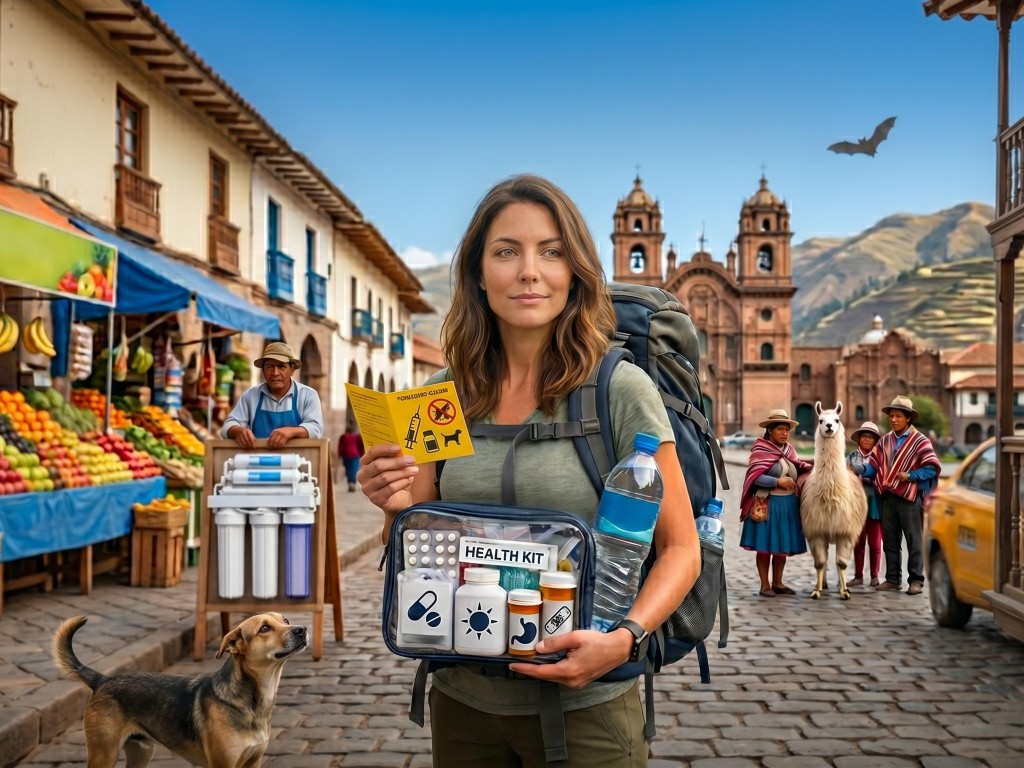
    Latin America is a breathtaking region with diverse landscapes ranging from the towering Andes mountains to the vast Amazon rainforest. However, interacting with wildlife and stray animals during your adventures comes with certain risks. Rabies is a serious, fatal viral disease present across the continent, and travelers need to be aware of how to prevent it and what to do in case of exposure.


    Understanding the Rabies Risk in Latin America

    Rabies is an acute encephalitis caused by a virus that infects the central nervous system. While mass dog vaccination campaigns have heavily reduced canine rabies in Latin America over the past decades, the disease is still a threat.

    The risk profile varies significantly depending on your destination:

    • Urban and Rural Areas: While dog-transmitted rabies has been eliminated in many areas, stray dogs remain a source of human rabies in certain regions, particularly in Bolivia, Haiti, the Dominican Republic, and parts of Brazil and Peru.
    • The Amazon Basin & Jungle Regions: The common vampire bat (Desmodus rotundus) is the principal reservoir for rabies in Latin America. Travelers venturing into the Amazon should be particularly cautious, as bat-transmitted rabies cases have increased over the last decade.
    • Other Wildlife: Non-human primates (monkeys), foxes, and other wild mammals can also carry the virus.

    Pre-Exposure Prophylaxis (PrEP): Do You Need the Vaccine Before You Go?

    Before traveling, consult with a travel medicine specialist. A preventative rabies vaccine schedule (PrEP) typically consists of two intramuscular injections on days 0 and 7.

    PrEP is highly recommended for:

    • Travelers embarking on long-term trips or backpacking through rural and remote areas.
    • Individuals participating in high-risk activities like cave exploration (spelunking), hiking, and camping.
    • Expats, volunteers, or researchers working directly with animals.

    Important Note: Receiving the pre-travel vaccine does not eliminate the need for medical care after a bite. It simply simplifies the post-exposure treatment (requiring fewer booster doses) and eliminates the need for Rabies Immune Globulin (HRIG), which is notoriously difficult to find in rural Latin America.


    Prevention Tips While Traveling

    The most important risk mitigating measure is to simply avoid animals when traveling.

    • Resist the temptation: Do not pet, feed, or approach stray dogs, cats, or wildlife—even if they look healthy, beautiful, or tame.
    • Beware of monkeys: In tourist areas and jungles, monkeys can be aggressive. Keep your distance and do not offer them food.
    • Protect yourself at night: If staying in the Amazon or tropical rainforests, ensure your room has screened windows or sleep under a well-tucked mosquito bed net to prevent bat bites.

    What to Do If Bitten or Scratched

    If you are bitten, scratched, or exposed to the saliva of a potentially rabid animal, act calmly but quickly. Do not wait for symptoms to appear, as rabies is fatal once symptoms present.

    Action StepDetails
    1. Wash ImmediatelyThoroughly wash all bites and scratches immediately using plenty of soap and running water. This is the most crucial first step.
    2. Seek Medical CareGo to a clinic or hospital immediately, even if the wound does not look serious. Be prepared to travel to a major city or another country if local facilities lack biologicals.
    3. Post-Exposure Prophylaxis (PEP)Start treatment immediately. The exact protocol will depend on whether you received PrEP before your trip.

    Emergency Medical Facilities in Latin America

    While major capitals like Buenos Aires, Santiago, Lima, and Bogotá have excellent private clinics equipped to handle rabies exposure, rural health posts (postas médicas) might lack HRIG or modern vaccines.

    Always carry travel health insurance that includes medical evacuation, ensuring you can be transported to a major city if specialized treatment is required.

    Need a Doctor in Cusco, Peru?
    If your Latin American itinerary takes you through the Peruvian Andes and you suffer an animal bite or any other medical emergency, you need fast, reliable care. Reach out to Doctor Cusco for prompt, English-speaking medical assistance directly at your hotel or Airbnb.


    Frequently Asked Questions (FAQs)

    Is rabies common in Latin America?
    While dog-transmitted rabies has decreased by approximately 90% in the region since 1983, it is still endemic in certain areas. Vampire bats remain a significant and growing cause of rabies, particularly in the Amazon region.

    Do I need the rabies vaccine for a short vacation?
    If you are on a standard guided city tour, safari, or resort holiday, preventative vaccination is generally not needed. It is primarily for long-term travelers or those doing high-risk outdoor activities.

    Can I get rabies if a dog just licks me?
    Yes, if the animal licks an open skin break, scratch, or your mucosal surfaces (like your eyes or mouth), it is considered an exposure and you must seek medical advice immediately.